FinTech News News

From QR Codes to Voice Payments: The Future of Contactless Transactions
The future of contactless transactions is rapidly evolving from simple QR code scans to advanced voice-activated payments. While QR codes offer affordability and ease, especially in markets like India, voice payments bring hands-free convenience powered by AI and smart assistants
3 minute read

Robo-Advisors with ESG Integration: Automating Ethical Investing for a Sustainable Future
Robo-advisors with ESG integration use algorithms to build and manage investment portfolios that align with environmental, social, and governance (ESG) values. This allows investors to automate ethical investing, combining financial returns with sustainability goals.
3 minute read

Tokenized Mortgage Solutions for Real Estate Transactions: Revolutionizing the Housing Market with Blockchain
Tokenized mortgage solutions leverage blockchain technology to revolutionize real estate transactions by allowing fractional ownership of properties through digital tokens. This innovation simplifies the mortgage process, making it faster, more secure, and more transparent by utilizing smart contracts
4 minute read

Quantum Computing in FinTech: Revolutionizing Risk Modeling, Portfolio Optimization, and Cryptography
Exploring how quantum algorithms could revolutionize risk modeling, portfolio optimization, and cryptography in financial services.
3 minute read
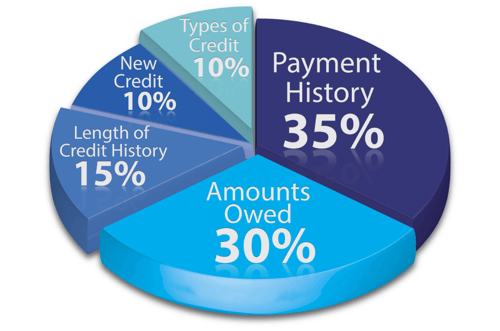
DNA-Based Credit Scoring: The Ethical Frontier of Bio-Fintech
Provocative and controversial—could genomic data one day influence your insurance premiums or loan eligibility? A futuristic dive into bio-fintech convergence.
4 minute read

Neo-Banks for Niche Communities: The Rise of Inclusive, Community-Led FinTech
From banks for LGBTQ+ users to ones tailored for gig workers, minorities, and digital nomads—community-led fintech is exploding in relevance.
3 minute read
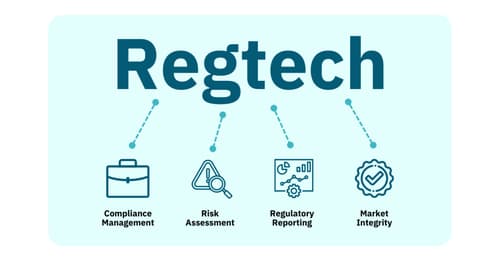
RegTech: The Tech Solution to Compliance in a Complex Financial World
RegTech, or Regulatory Technology, is transforming how financial institutions manage compliance by automating tasks like fraud detection, KYC, AML monitoring, and regulatory reporting.
4 minute read
The Rise of Neobanks: Are Traditional Banks Losing Their Edge?
Neobanks—digital-only, tech-driven banks—are rapidly transforming the financial landscape by offering seamless, customer-centric services without the overhead of physical branches. With features like instant account setup, low fees, and AI-powered tools, they appeal especially to younger, mobile-savvy users.
5 minute read

Fractional Investing: Now Everyone Can Own a Piece of a Picasso
Fractional investing allows individuals to own a share of high-value assets like art, real estate, and luxury cars, making traditionally exclusive investments more accessible. By dividing assets into smaller shares, platforms enable investors to participate in markets once reserved for the ultra-wealthy.
5 minute read